Assistant Professor · DTU Compute · Cybersecurity Engineering

Alberto Maria Mongardini

Measuring the economics of online deception — and turning deception itself into a defensive instrument.

Online fraud is not chaos; it is a market. My research measures that market at scale — how meme coins simulate growth and extract profit, how conspiracy communities monetize their audiences, how fake channels and bots operate across Telegram and blockchains — and studies how defenders can answer with deception of their own: honeypots, decoys, and accountability mechanisms. I am an Assistant Professor (tenure track) at DTU Compute, with a PhD in Computer Science from Sapienza University of Rome (2024, summa cum laude).
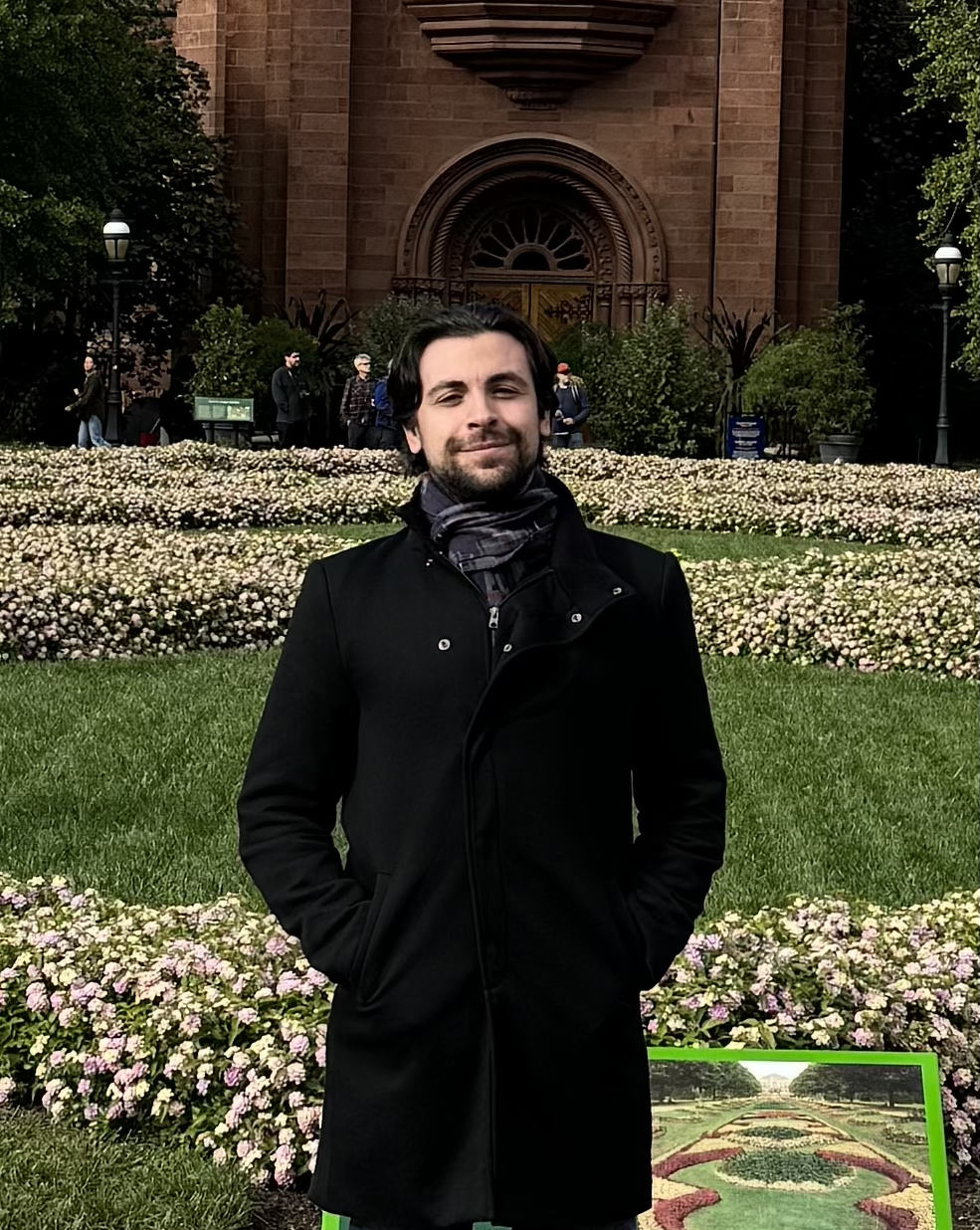
Portrait of Alberto Maria Mongardini

News

Research

The economics of online harm

Much of my work measures how deception makes money. I build large datasets and detection methods that expose the market structure behind online fraud: how meme coins simulate growth and extract profit from investors, how conspiracy communities monetize their audiences, and how fake channels, wash traders, and sniper bots operate at scale.

Selected workA Midsummer Meme's Dream (USENIX Security '26) · The Conspiracy Money Machine (USENIX Security '25) · TGDataset (KDD '25) · fake/clone channel detection (ACM TWEB, IEEE ICWS '23) · NFT wash trading (IEEE ICDCS '23) · sniper bots (ACM TOIT, CAAW '23)

Deception as defense

If attackers rely on deception to extract value, defenders can use it to observe, mislead, and hold them accountable. This line studies honeypots, decoy assets, and accountability mechanisms: deceptive defenses against intellectual-property theft, IP camera honeypots, LLM-generated honeywords, and attribute-driven accountability for Bitcoin transactions.

Selected workDARD (IEEE T-IFS) · Stealth and Beyond (ACNS '26) · ongoing work on honeypots and AI-driven deception with E. Vasilomanolakis (DTU)

Publications

Full list and bibliometrics on ORCID.

Datasets & Software

Students & Supervision

Interested in a thesis or PhD?

I supervise MSc and BSc projects at DTU on the measurement of online fraud, cryptocurrency market manipulation, Telegram ecosystems, honeypots, and AI-driven deception. If you like building crawlers, working with large messy datasets, and asking "who profits from this?", we will get along. Prospective PhD students: openings are announced on the DTU vacancies portal, but I am happy to hear from strong candidates early — send a short note with your CV and research interests to among (at) dtu (dot) dk.

Appointments & Education

Appointments

  • 2026 —

    Assistant Professor (Tenure Track)
    DTU Compute, Cybersecurity Engineering, Denmark

  • 2025–26

    Postdoctoral Researcher
    Technical University of Denmark

  • 2024–25

    Postdoctoral Researcher
    Sapienza University of Rome

  • 2023

    Short-Term Scholar
    George Mason University, USA (host: G. Ateniese)

Education

  • 2020–24

    PhD in Computer Science
    Sapienza University of Rome — summa cum laude (advisor: A. Mei)

  • 2019–20

    MSc in Computer Science
    Sapienza University of Rome — summa cum laude

  • 2015–18

    BSc in Computer Science
    Sapienza University of Rome — summa cum laude

Service

PC member: ESORICS '26, ICWSM '25. Reviewer: IEEE T-IFS, ARES, IEEE ICWS, ICWSM, The Web Conference.

Contact

among (at) dtu (dot) dk

I welcome inquiries about research collaborations, speaking invitations, student projects, and press requests related to online fraud and cryptocurrency manipulation.

Curriculum Vitae (PDF) · ORCID · LinkedIn